How 2026 artists’ summit reframed works freedom
By Patrick Ssentongo
In a city long defined by political diplomacy and cultural crossroads, the Pan-African Network for Artistic Freedom (PANAF) Summit 2026 opened in Addis Ababa with a bold ambition: to defend Africa’s right not only to create freely, but to control the systems through which its creativity circulates.
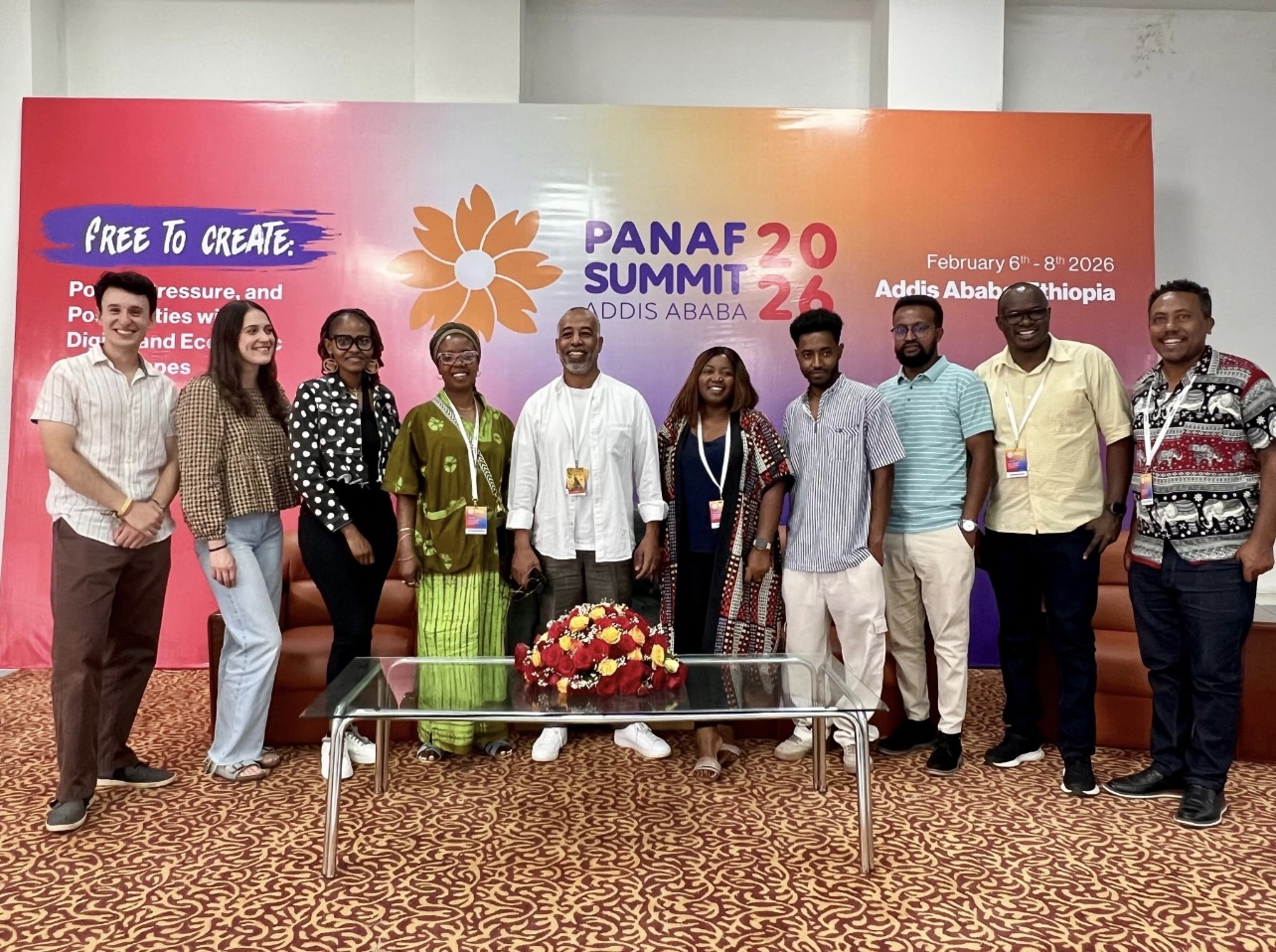
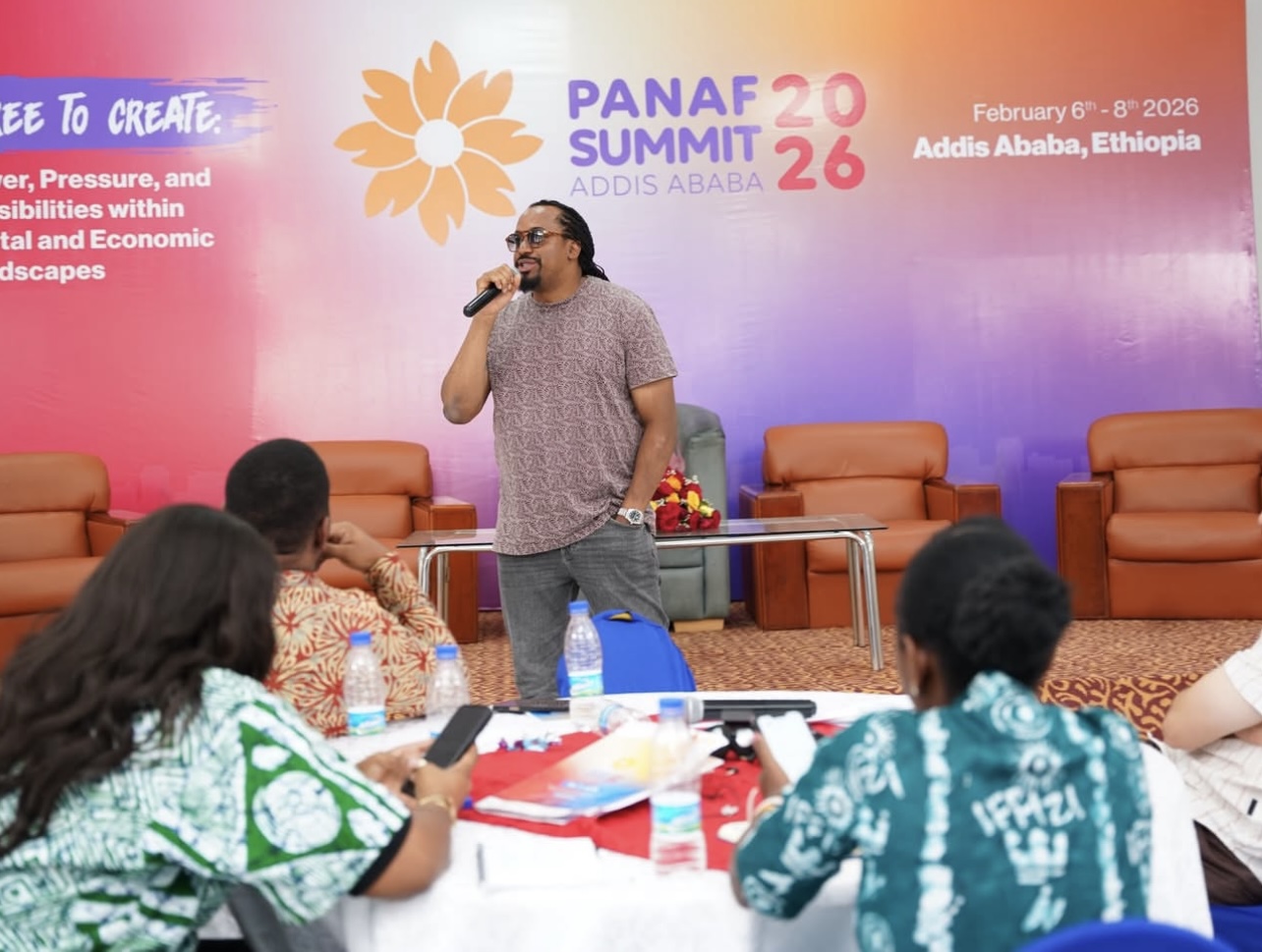
The three-day gathering in February, organised by PANAF in partnership with Selam Ethiopia, brought together artists, policymakers, technologists and cultural financiers from across the continent.
What emerged from the summit, held under the theme “Freedom to Create: Forces, Influences and Opportunities in the Digital and Economic Landscape,” was a clear shift in how artistic freedom is being understood across Africa.
Artistic freedom is no longer defined only by censorship or state repression. It is now equally determined by economic power, digital infrastructure and the ownership of cultural platforms.
Across panels and policy discussions, one message emerged with striking clarity — Africa’s creative sector does not lack talent, audiences or global influence. What it often lacks is control. Control over the digital systems through which art circulates. Control over the financial architecture that determines how artists earn a living. And control over the regulatory environments that shape cultural expression.
In this framing, artistic freedom is evolving into something larger: a question of sovereignty.
Beyond censorship
For decades, artistic freedom has largely been framed as a civil liberty — the right to write, perform or critique authority without state censorship. But participants argued that in today’s digital world, that definition no longer captures the full picture.
African artists today operate within a vast digital marketplace where cultural production is intertwined with global technology platforms and financial systems. In theory, digital tools allow creators to produce and distribute work independently. In practice, many African artists find themselves trapped in what several speakers described as “visibility without income.”
Music streams accumulate millions of views, videos circulate across continents, and digital art attracts global attention. Yet monetisation opportunities often remain inaccessible due to payment restrictions, banking barriers or platform policies designed outside the continent.
This imbalance has created what some participants described as a form of digital extraction — a system in which African creativity generates global engagement while much of the economic value is captured elsewhere.
Across Africa, musicians are driving the fastest-growing segments of global streaming markets. Online gaming communities are expanding rapidly, with African gamers spending billions annually on international platforms.
Yet the infrastructure enabling those industries — data centres, payment systems, advertising networks and digital distribution platforms — is largely controlled outside the continent.
The summit’s discussions therefore moved beyond defending artistic expression to addressing ownership.
Participants emphasised that meaningful creative freedom requires structural participation in the digital economy. This includes investment in African data centres, regional streaming services, local payment systems and policies that treat cultural industries as strategic economic sectors.
For countries like Uganda, where music, film and digital content creation are expanding rapidly, these questions carry increasing relevance. Ugandan artists are reaching global audiences through social media and streaming platforms, yet many still face structural barriers to monetisation.
The future of the continent’s creative economy, participants argued, will depend on whether Africa remains primarily a supplier of cultural content — or becomes a co-owner of the systems that distribute and monetise it.
Digital Authoritarianism, Invisible Gatekeepers
While digital technologies have expanded creative opportunities, they have also introduced new forms of control.
Participants spoke extensively about what some described as “digital authoritarianism” — a system in which visibility is mediated by opaque algorithms, automated moderation tools and corporate governance frameworks that operate far beyond the reach of national regulation.
In earlier decades, artists primarily confronted censorship from governments. Today they navigate a more complex regulatory environment shaped by both states and global technology companies.
Content moderation rules, automated takedowns and algorithmic ranking systems can quietly suppress cultural material without formal bans. At the same time, national cybercrime laws, online speech regulations and security frameworks increasingly intersect with platform policies.
For artists operating in fragile political environments, this layered system can amplify risks.
Digital participation expands opportunities for creative expression, but it also widens surveillance capabilities and data collection. Governments seeking to regulate online spaces often adopt laws that blur the line between legitimate security concerns and restrictions on expression.
Yet speakers cautioned against viewing digital spaces purely as instruments of control. Online platforms have also enabled cross-border collaboration, mobilised social movements and amplified cultural narratives previously marginalised by traditional media.
The central challenge, participants agreed, is not whether digital technology is liberating or restrictive, but how African societies shape its governance
Law Reform and Sustainable Financing
Legal reform and economic sustainability emerged as closely linked pillars. Protecting creative expression requires not only progressive legal frameworks but also financial systems capable of sustaining the continent’s cultural industries.
Artistes and advocates are increasingly turning to strategic litigation and parliamentary engagement to challenge laws that restrict creative expression. Activists from Malawi described successful efforts to challenge criminal defamation provisions and repeal legislation that criminalised insulting the president. Similar advocacy campaigns in other African countries have sought to revise restrictive cybercrime laws and strengthen protections for creative expression.
Such reforms rarely emerge from protests alone. They often require long-term coalitions involving artists, lawyers, civil society groups and supportive lawmakers. Public interest litigation has therefore become a key tool — not simply to defend individual artists, but to establish legal precedents capable of reshaping national frameworks for free expression.
Participants also highlighted the need for judicial sensitisation, noting that many judges lack specialised knowledge of artistic rights and cultural policy, an issue that can affect how courts interpret cases involving creative freedom.
On financing of cultural industries. Many African artists remain dependent on short-term project grants that provide temporary support but fail to build sustainable creative ecosystems.
Participants argued for a shift toward blended financing models combining public investment, private capital and philanthropic funding. The objective, they said, is not simply to fund individual artistic projects but to build durable creative infrastructures capable of supporting long-term growth in the sector.
Examples presented during the summit illustrated how new financial models are emerging. In Kenya, the creative investment HEVA Fund has partnered with banks to design financial products tailored for artists and creative enterprises, addressing longstanding barriers related to intellectual property valuation and access to credit.
Elsewhere, African cultural institutions are experimenting with digital distribution platforms, hybrid performance models and regional collaborations that connect artists to international markets. Participants described these initiatives as part of an “ecosystem strategy,” recognising that artists operate within interconnected networks of investors, venues, digital platforms, regulators and audiences.
Without strengthening those broader systems, they argued, individual talent alone cannot sustain Africa’s creative industries
Building cultural infrastructure
Infrastructure — both physical and digital — also emerged as a key issue.Rather than waiting for large cultural complexes to emerge, some countries are experimenting with flexible alternatives. In Niger, for example, event organisers developed a mobility initiative enabling artists to travel across neighbouring countries and perform in regional festivals. The approach prioritised connectivity and market access over isolated funding grants.
Elsewhere, smaller performance venues are being combined with digital streaming technologies to create hybrid cultural events capable of reaching global audiences.
These innovations demonstrate how limited physical infrastructure can be expanded through creative use of technology. Participants also highlighted the growing role of corporate investment and philanthropic leadership in supporting cultural ecosystems.